

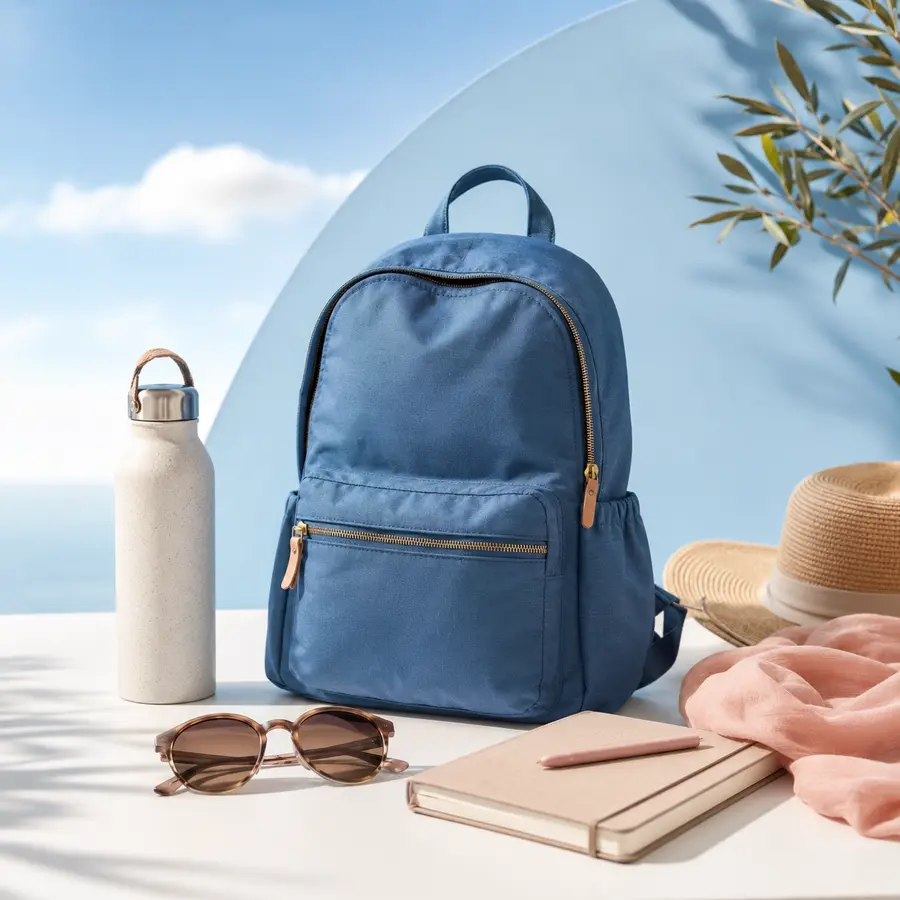
Reusable bottles are sold in stainless steel, glass, plastic and mixed-material designs. The right comparison considers the exact food-contact materials, lid and seal design, intended beverage, cleaning method, weight and credible compliance information.
Verify the complete material statement
Check the bottle body, inner surface, lid, straw, gasket and coating because each may use a different material. Broad labels such as steel bottle do not describe every food-contact component.
Look for manufacturer information about intended temperature, beverage type and applicable food-contact standards. Do not rely on vague toxin-free claims without specific context.
Compare weight and break resistance
Stainless-steel bottles can be robust but vary in weight. Glass provides visibility but can break and may include a protective sleeve. Plastic is often light, but durability and temperature limits depend on the exact product.
Consider who will carry the bottle and where it will be used. A heavy insulated bottle may suit a desk but feel inconvenient during a long commute.
Check insulation and leak design
If insulation is important, review stated test conditions rather than assuming every double-wall product performs equally. Lid openings and gaskets strongly influence leakage.
Test a new bottle with water over a sink before placing it near electronics. Wear, incorrect assembly and trapped debris can affect seals over time.
Plan cleaning and replacement
Wide openings and removable gaskets may be easier to clean. Follow dishwasher, brush and drying instructions for every component, and inspect hidden areas for residue or damage.
Check whether lids, straws and seals can be purchased separately. Replacing a small worn component can extend use when the main bottle remains in good condition.
Practical checklist
- Check every food-contact component.
- Confirm temperature and beverage limits.
- Compare filled carrying weight.
- Test the lid for leaks.
- Review cleaning and spare-part options.
Key takeaway
Choose a reusable bottle from specific material and care information rather than broad wellness claims. A design that is easy to clean, carry and maintain is more likely to remain useful.
Editorial note: Review current labels, specifications, seller terms and professional guidance where relevant before publishing this draft.
Frequently Asked Questions
There is no universal best material. Compare weight, break risk, temperature needs, cleaning and verified composition.
No. Insulation depends on the construction and stated product specification.

merdivyesh015@gmail.com
The narbixcart editorial team researches product categories, compares useful features and checks deal details to help readers make informed choices.