

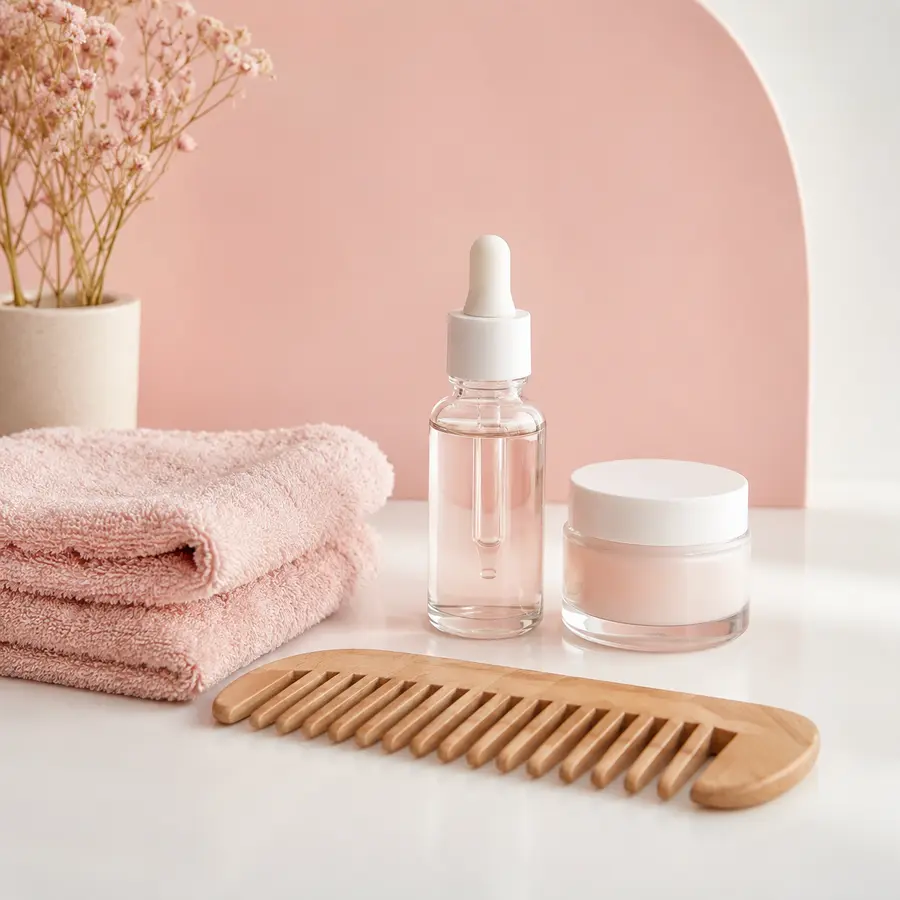
A beginner routine does not need a long sequence of trending products. A smaller routine makes it easier to notice irritation, follow product directions and understand what each step contributes. Skin concerns that are persistent, painful or worsening should be discussed with a qualified dermatologist.
Begin with a clear purpose
Define what you want the routine to do in plain terms, such as cleansing makeup or supporting daily sun protection. Avoid diagnosing a skin condition from social-media content. Product categories are easier to compare when the goal is specific and realistic.
Review current products before adding new ones. Fragrance, active ingredients and multiple leave-on formulas can overlap. A simple inventory helps prevent accidental duplication and reduces waste.
Keep the base routine manageable
Many basic routines are organised around gentle cleansing, an appropriate moisturiser and daytime sun protection. The suitable format depends on individual skin, climate, activity and professional guidance. Follow each label rather than copying another person’s exact quantities.
Introduce one new leave-on product at a time. This makes it easier to stop the relevant item if discomfort appears. More steps do not automatically produce better results.
Read labels and directions
Check the full ingredient list, warnings, expiry information and storage directions. Similar product names can contain different formulations, so confirm the current label even if you have used an earlier version.
Pay attention to application frequency and combinations the manufacturer advises against. If directions are unclear or a product is intended to treat a medical condition, seek professional guidance.
Track tolerance, not promises
Keep brief notes on the date a product was introduced and any discomfort. Stop use and seek appropriate help for significant reactions. Photographs can be affected by lighting, camera processing and normal variation, so they should not be treated as proof of a product claim.
Evaluate cost per usable amount, packaging hygiene and replacement frequency. A routine is sustainable when it fits your budget and you can follow it consistently without pressure to keep adding products.
Practical checklist
- Define one practical routine goal.
- Check existing products for overlap.
- Introduce products one at a time.
- Follow label directions and warnings.
- Consult a dermatologist for persistent concerns.
Key takeaway
A simple routine should be understandable, affordable and easy to stop or adjust. Product labels and professional advice are more reliable than dramatic before-and-after claims.
Editorial note: Review current labels, specifications, seller terms and professional guidance where relevant before publishing this draft.
Frequently Asked Questions
There is no fixed number. Start with a small routine that matches your needs and professional guidance.
Introducing products one at a time can make tolerance easier to assess.

merdivyesh015@gmail.com
The narbixcart editorial team researches product categories, compares useful features and checks deal details to help readers make informed choices.